
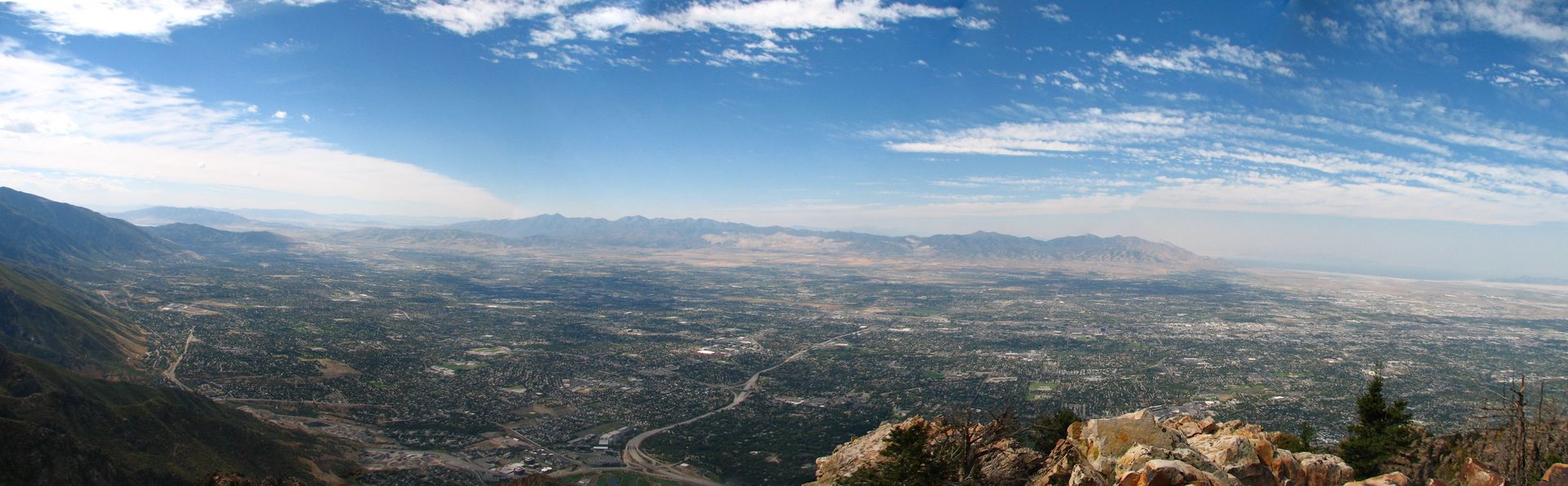
Identify the authority for the address
For a Holladay address, check the utility named on your bill and the local authority’s current notices. Do not assume Salt Lake City Public Utilities handles the incident because the postal address uses Salt Lake City. Local jurisdiction and the restoration contract are separate questions.
Describe the observed water path
At the Holladay property, record whether water appeared at a supply line, appliance, doorway, wall or drain. Distinguish the discovery time from the likely start time. For suspected outside water, read rainwater and backup observations; for an indoor source, review pipe and supply-line cleanup.
Coordinate access and permission
Identify the Holladay entrance, unit number, parking or loading restrictions and who can authorize work. In a rented or shared building, coordinate with the responsible owner or manager. Do not enter an unsafe room to provide more detail. The first-steps checklist supports a clear handoff.
Ask for material-based completion evidence
Removal and structural drying address different stages. Ask which materials are affected, how progress is recorded and what remains outside the contract. Persistent growth requires a separate mold assessment; water coverage does not establish mold-call eligibility.
Preparing a Holladay assessment
Prepare photographs of the visible path from safe dry positions. Keep plumbing-repair findings with the separate extraction and drying scope.
Use the Holladay Good Neighbor Guide for the public authority context and current information.
Official resources
- National Weather Service Salt Lake City ↗
- Utah Division of Professional Licensing ↗
- Utah Insurance Department consumer services ↗
Resources support general guidance. They do not establish provider availability or endorsement.
Compare the written scope and charges, then use the complete locality directory for other named places. A locality page is address guidance, not a promise of whole-city coverage.